

Emissions monitoring is becoming progressively data-driven. But measuring emissions is only one part of the challenge. The real value comes from what happens after the measurements are completed.
For operators managing large, complex assets, emissions data needs to be transparent, actionable, and comparable. Static reports can document what was measured, but they can make it difficult to bring emissions intelligence directly into the workflows teams already rely on.
That is the gap Explicit’s Application Programming Interface (API) is designed to bridge.
From measurements to insights
Built on its patented Drone Flux Measurement (DFM™) Method, Explicit’s API integrates seamlessly with operators’ emissions management software, automating workflows to enable faster decision-making and transparent regulatory reporting.
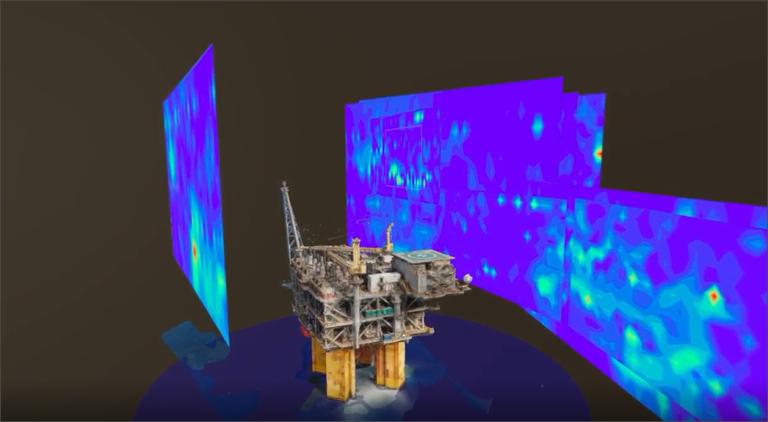
The API provides structured emissions data in standard JSON format, together with supporting flux wall visualisations in PNG format. This means teams can access both the quantified emissions and the visual evidence behind the measurement, delivering a more complete picture.
For operators, this creates several key advantages:
1. Integrate emissions data directly into existing systems
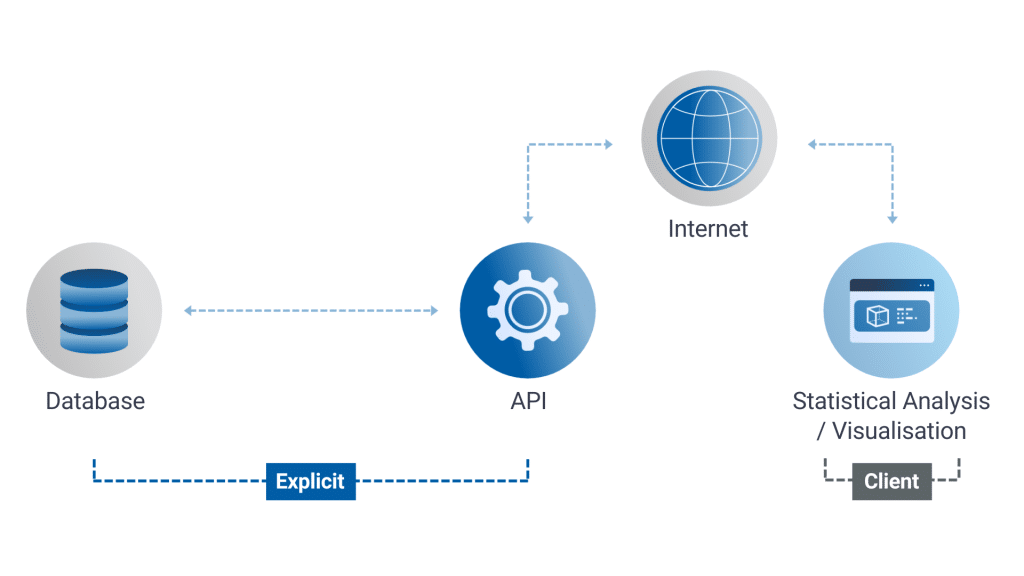
Explicit’s standard REST API can integrate with existing dashboards, data lakes, GIS platforms, digital twins, 3D models, analysis tools and emissions management software. This allows emissions data to become part of the digital infrastructure an organisation already uses. Operators do not need to build new workflows around emissions monitoring to gain deeper insights from already measured data.
2. Get support for reconciliation of source-and site-level measurements
By making both current and historical measurement data accessible through an API, operators can investigate discrepancies and maintain a clearer connection between measured emissions and reported inventories. That way, reconciling source-and site-level measurements can become part of an automated workflow rather than a separate manual exercise. This capability supports emissions reporting aligned with OGMP 2.0 and the EU Methane Regulation.
3. Eliminate manual report handling and automate workflows
Manual handling of emissions reports can slow analysis and create unnecessary steps between measurement and action. With automated JSON data retrieval, connected systems can access emissions results directly, removing the need to manually extract and reformat information from static reports. Consistent data structures are highly valuable for organisations managing emissions information across multiple assets, campaigns or locations.
4. Move from static reporting to continual data use
With near real-time availability, engineers and analysts can review results shortly after flights and respond more quickly to abnormal emissions. This creates an opportunity to bring emissions data closer to the people and systems responsible for acting on it. Instead of waiting for data to be manually processed and distributed, connected systems can automate responses to new emissions information as it becomes available.
5. Compare current emissions with historical data
Emissions monitoring becomes significantly more valuable when individual measurements can be viewed in context. Access to historical emissions data allows operators to compare current measurements with past ones and identify longer-term trends. Such comparisons can also support more informed analysis and prioritise where further investigation may be needed.
Explore Explicit’s API solution
The next step in emissions monitoring isn’t just how emissions are measured, but how that data is being used and accessed. We are moving beyond static reports towards dynamic use of emissions data, bringing a new era of emissions insights to the industry.
Ready to unlock more value from your emissions data?
Contact our team to learn more about Explicit’s API and how it can integrate with your existing workflows.